Drinking a glass of kale juice, taking a few deep-sea fish oil capsules, and buying some turmeric supplements—as “anti-inflammatory” has become a buzzword in health circles, brands have rushed to launch new anti-inflammatory products, while social media is flooded with all kinds of “anti-inflammatory diets.” Many consumers are left wondering: are viral “anti-inflammatory foods” really essential for reducing inflammation? Where does inflammation in the body come from? And which foods have stronger anti-inflammatory effects?
“It is absolutely impossible to achieve anti-inflammatory effects by eating only one certain food or nutrient,” said Liu Peng, chief dietitian in the Department of Clinical Nutrition at Peking University People’s Hospital, in an interview with CCTV.com’s Gou Kepu program. The “inflammation” in anti-inflammatory eating does not refer to traditional infectious inflammation, such as a sore throat, but rather to chronic non-infectious inflammation. Factors that may trigger this type of inflammation include stress, negative emotions, metabolic disorders, poor diet, and lack of sleep.
Chronic inflammation can last for weeks to years. In the early stage, it may not be severe, and symptoms may simply include fatigue, gastrointestinal discomfort, metabolic imbalance, and reduced sleep quality. However, long-term chronic inflammation may increase the risk of metabolic conditions such as hypertension, hyperlipidemia, hyperglycemia, and hyperuricemia, and it is also closely associated with diseases such as cancer and Alzheimer’s disease. Its impact on health is systemic.
Can eating more viral “anti-inflammatory foods” reduce inflammation? According to Liu Peng, an anti-inflammatory diet should be a healthy dietary pattern, including at least fresh vegetables and fruits, healthy fats, whole grains, and phytochemicals—such as onions, garlic, and green tea. This pattern must be maintained long term to produce anti-inflammatory effects. These foods help fight inflammation by clearing excess free radicals, improving and regulating the gut microbiota, optimizing the body’s fatty acid balance, and regulating blood sugar. When consumed together, they can create a “1+1+1+1 > 4” synergistic effect.
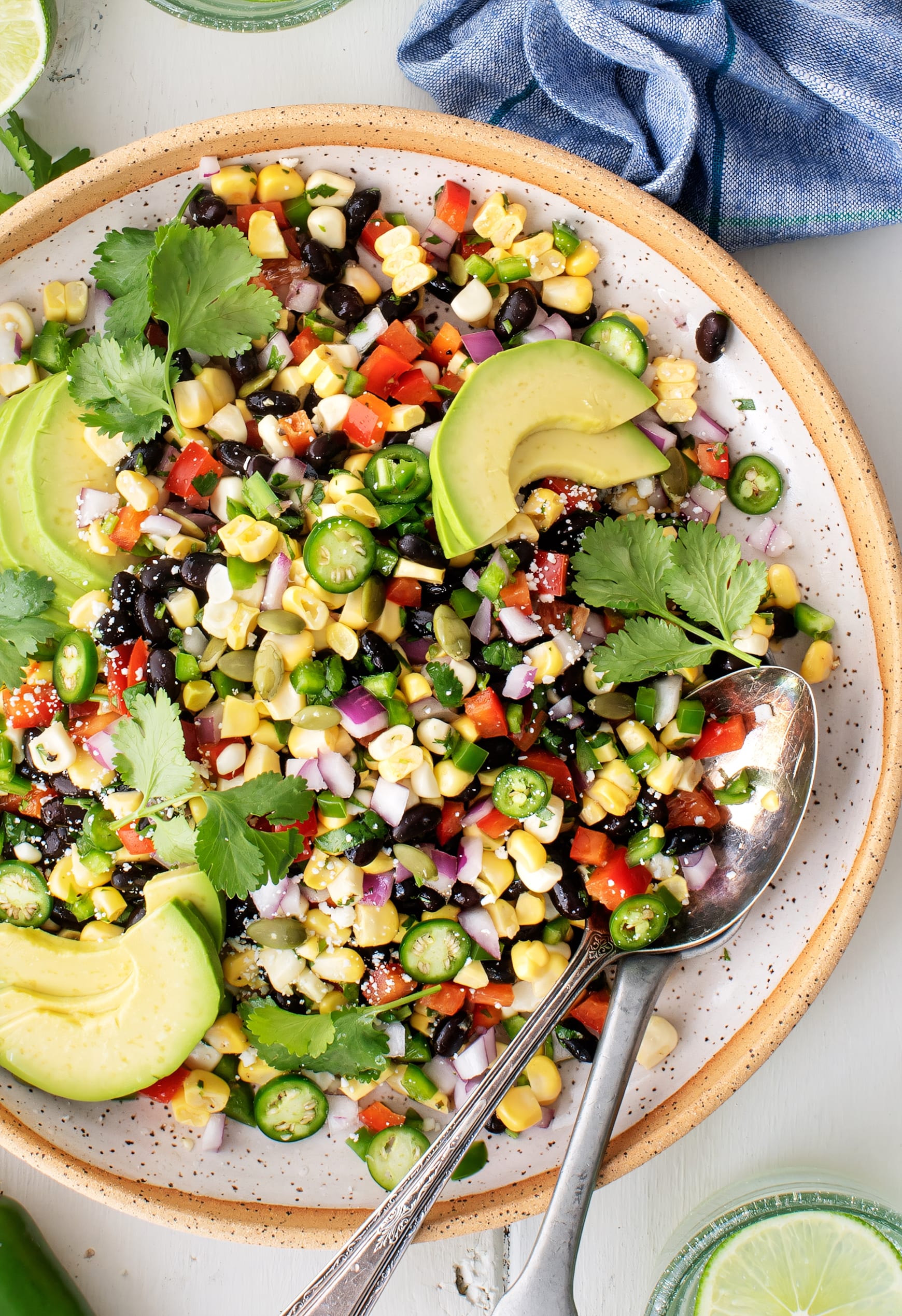
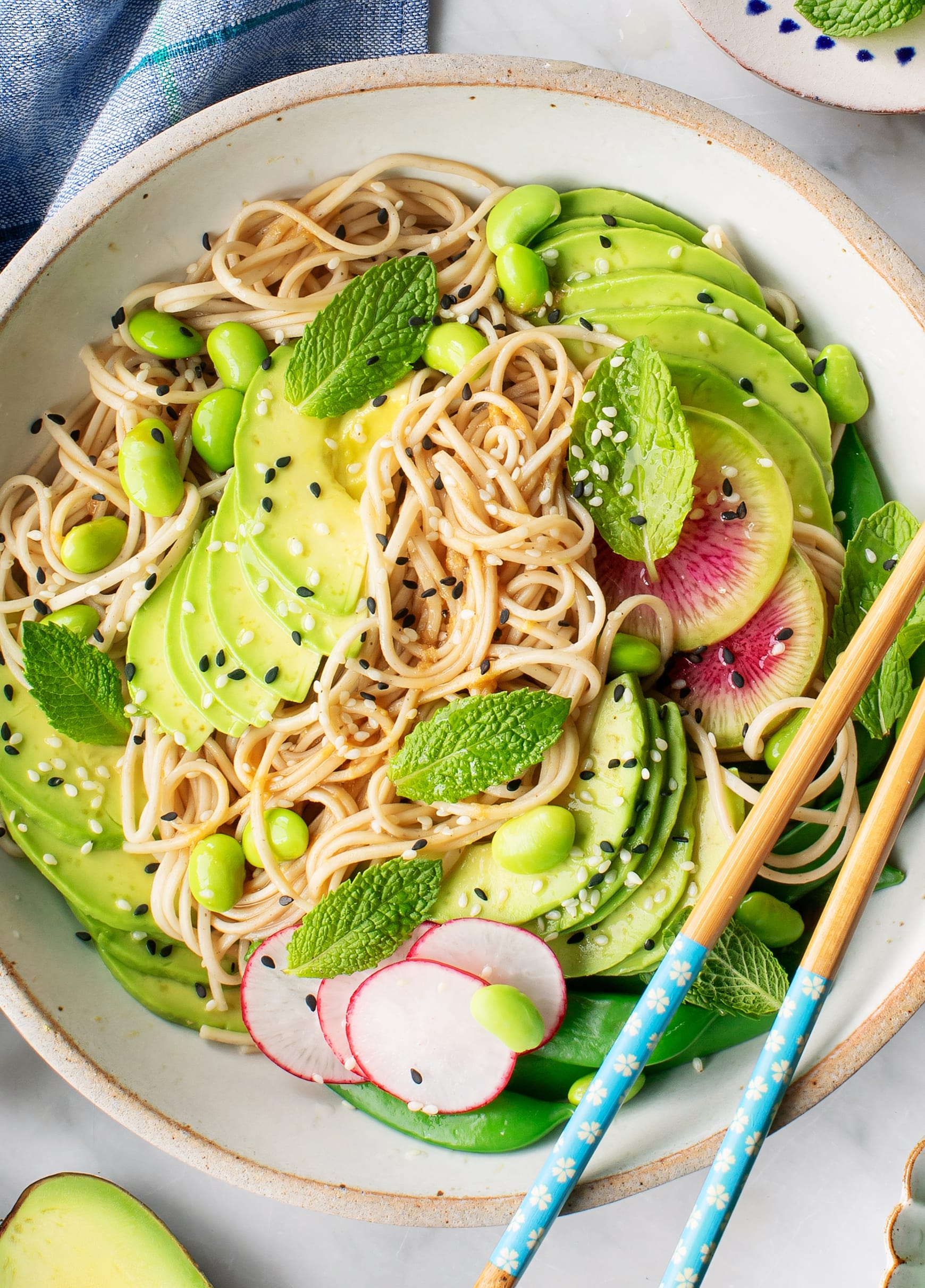
Dark-colored fruits and vegetables usually have stronger antioxidant and anti-inflammatory effects. “Dark color indicates nutrient density,” Liu explained. “For example, red foods such as tomatoes and strawberries are rich in lycopene; yellow foods such as bananas and bell peppers contain zeaxanthin and lutein; green vegetables contain chlorophyll; and purple-blue foods like eggplants are rich in anthocyanins.” In daily meals, dark-colored fruits and vegetables should account for more than half of total produce intake. A long-term diet consisting mainly of light-colored fruits and vegetables will be relatively less effective at reducing inflammation. Meanwhile, cruciferous vegetables such as cabbage, broccoli, and kale tend to have better anti-inflammatory effects.
Healthy fats include nuts, flaxseed oil, olive oil, and deep-sea fish such as tuna and salmon. These foods are rich in omega-3 polyunsaturated fatty acids and other polyunsaturated fatty acids, which help improve the body’s fatty acid balance and suppress inflammation. Whole grains generally have a low glycemic index, which helps improve insulin resistance, maintain stable blood sugar levels, and inhibit inflammation. Liu recommends partially replacing refined grains with whole grains, with whole grains making up about one-third of total grain intake, and no more than one-half. In addition, gingerol from ginger, allicin from garlic, sulfur-containing compounds and quercetin from onions are all antioxidant substances that can be added to cooking to help supplement anti-inflammatory components.
Although some anti-inflammatory supplements on the market contain anti-inflammatory ingredients, questions remain about effective dosage, nutrient combinations, and suitability for everyone. “Some foods are fortified with anti-inflammatory nutrients, but because they are high in sugar, fat, and salt, their pro-inflammatory effects may be stronger than their anti-inflammatory effects,” Liu said. “It is recommended to choose them rationally.” Liu also suggested that natural foods should be the first choice for anti-inflammatory eating, noting that “food is better than medicine.” In addition to following a healthy dietary pattern long term, it is also important to exercise regularly, avoid smoking and limit alcohol, maintain psychological balance, and get enough sleep to achieve the best anti-inflammatory results.