Do you often feel fatigued, suffer from recurring acne, or have dull joint aches? These may all be signs of chronic inflammation at work!
Many modern health issues, including obesity, diabetes, cardiovascular diseases and even cancer, are closely linked to long-term low-grade inflammation.
01 Where Does Inflammation Come From?
First, it is important to understand that inflammation is essentially the body’s alarm system.
Inflammation is a natural self-protective mechanism. For example, if you cut your finger, the wound will turn red, swollen and warm. This means the immune system is clearing bacteria and repairing tissue. This type of acute inflammation is short-term and subsides once the problem is resolved.
However, modern lifestyles keep many people stuck in a state of persistent low-grade chronic inflammation. The immune system remains activated over time and may eventually harm the body.
Five Major Triggers of Chronic Inflammation
🔴 Poor diet: High sugar, high-fat foods, refined carbohydrates and trans fats (such as fried food and desserts) trigger the release of inflammatory factors including IL-6 and TNF-α.
🔴 Gut dysbiosis: The gut is the body’s largest immune organ. Imbalanced gut microbiota (often caused by a diet heavy in processed foods) may lead to intestinal permeability (“leaky gut”), allowing inflammatory substances to enter the bloodstream.
🔴 Stress and sleep deprivation: Chronic stress and insufficient sleep raise cortisol levels and amplify inflammatory responses.
🔴 Environmental toxins: Air pollution, heavy metals and plastics (such as Bisphenol A, BPA) can induce chronic inflammation.
🔴 Sedentary lifestyle: Lack of physical activity causes fat accumulation, especially visceral fat. Fat cells secrete pro-inflammatory factors.
Chronic inflammation is like a slow-burning fire. It causes no obvious harm in the short term, but accelerates aging and contributes to chronic diseases over time!
The insidious part of chronic inflammation is that its early symptoms are subtle and easy to overlook. By the time obvious illness develops, conditions such as cancer and dementia may already be hard or impossible to reverse.
02 Why Follow an Anti-Inflammatory Diet?
An anti-inflammatory diet targets exactly this chronic inflammation!
Even if you have not been diagnosed with any disease, you can adopt this eating pattern to prevent illness, lower chronic inflammation and improve overall health.
A large body of research shows that an anti-inflammatory diet reduces disease risks:
✅ Fewer chronic illnesses: Studies link anti-inflammatory eating to lower risks of heart disease, type 2 diabetes and Alzheimer’s disease.
✅ Healthier skin: Skin conditions such as acne, eczema and rosacea are often associated with elevated systemic inflammation.
✅ Weight management: Inflammation disrupts leptin (the satiety hormone), making overeating and weight gain more likely.
✅ Slower aging: Chronic inflammation accelerates cellular damage. An anti-inflammatory diet helps reduce oxidative stress and delays aging.
Is your diet pro-inflammatory or anti-inflammatory? A quick checklist:
🔹 Pro-inflammatory foods: Refined sugar, fried foods, processed meats (sausages, bacon), trans fats (including vegetable cream powder), excessive alcohol.
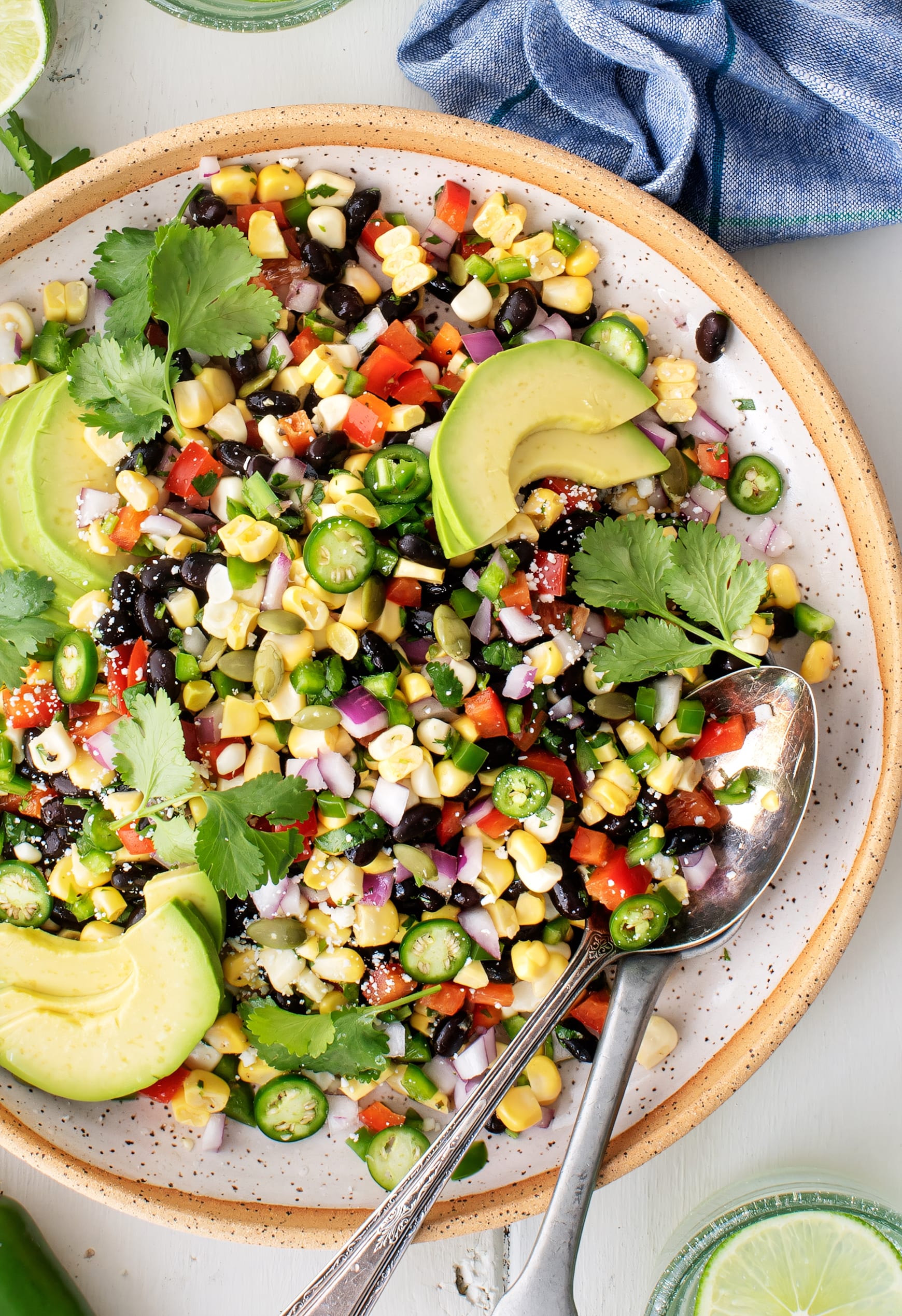
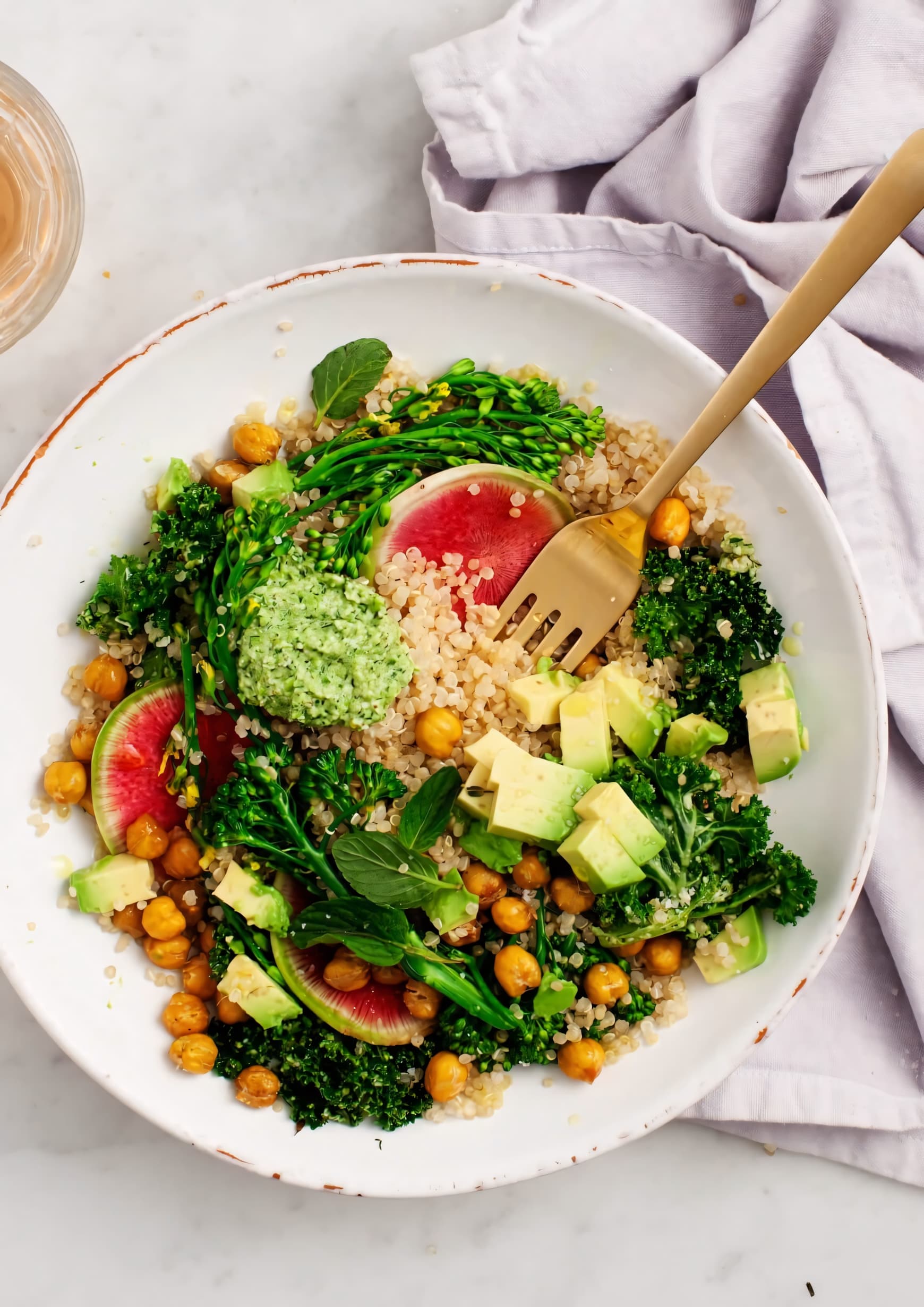
🔹 Anti-inflammatory foods: Foods rich in Omega-3 fatty acids, antioxidants and dietary fiber, such as deep-sea fish, nuts and dark-colored vegetables.
It is worth noting that an anti-inflammatory diet is not a short-term “treatment”, but a long-term healthy lifestyle.
03 How to Eat for Anti-Inflammatory Benefits
An anti-inflammatory diet is not a fixed meal plan (though Mediterranean and DASH diets follow similar principles). It is a science-backed eating pattern designed to reduce chronic inflammation through food choices.
Its core principles fall into four key areas:
Prioritize whole foods and cut back on processed foods
Processed foods (sausages, potato chips, sugary drinks) usually contain refined sugar, trans fats, preservatives and additives that stimulate inflammatory factors such as IL-6 and TNF-α.
Choose more: Fresh vegetables, fruits, whole grains, legumes, nuts and fish.
Limit or avoid: Sugary beverages, fried foods, pre-packaged snacks (cookies, cakes).
Whole fresh foods are packed with vitamin C and plant compounds including curcumin, quercetin and anthocyanins — nutrients with strong anti-inflammatory properties.
When grocery shopping, check ingredient labels: shorter ingredient lists are better. For example, pure oats should list only “oats”.
Balance fatty acid intake
Omega-6 fatty acids (found in soybean oil, corn oil and fried food) are metabolized into pro-inflammatory compounds. Omega-3 fatty acids (deep-sea fish, flaxseeds) and Omega-9 fatty acids produce anti-inflammatory substances.
In modern diets, the ratio of Omega-6 to Omega-3 often reaches 10~20:1, while the ideal ratio is ≤4:1. Aim to boost Omega-3 intake and reduce excess Omega-6.
Eat more: Salmon, sardines, flaxseeds, chia seeds and walnuts.
Use less: Soybean oil, corn oil and sunflower oil; switch to olive oil or camellia oil instead.
As recommended by the Dietary Guidelines for Chinese Residents, eat deep-sea fish 2 to 3 times per week, or have one spoon of ground flaxseeds daily, or high-quality organic flaxseed oil.
Stabilize blood glucose with low-GI foods
Blood sugar control matters for everyone, not just people with diabetes. High blood sugar generates advanced glycation end products (AGEs), which trigger oxidative stress and inflammation.
Choose low-glycemic-index staples: oats, brown rice, sweet potatoes and quinoa. Avoid refined sugars: white bread, polished white rice, pastries and milk tea.
Pair carbohydrates with enough protein and fiber. A meal of “mixed-grain rice + fish + vegetables” is far more anti-inflammatory than plain white rice.
A simple rule: carbohydrates should make up no more than one quarter of each meal, paired with plenty of vegetables and protein.
Support gut health with probiotics and prebiotics
All disease begins in the gut! Around 70% of the human immune system resides in the gut. Imbalanced gut microbiota can cause leaky gut, letting inflammatory substances enter the bloodstream.
Probiotic foods: Unsweetened yogurt, fermented cabbage (kimchi), kombucha and miso.
Prebiotic foods (dietary fiber): Onions, garlic, oats, apples and legumes.
Limit excessive alcohol and avoid overuse of antibiotics, both of which damage gut flora. Aim for 30 grams of dietary fiber daily, roughly from 500 grams of vegetables plus one bowl of whole grains.
An anti-inflammatory diet is not like taking medicine. It helps your body return to a natural balanced state. Stick with it long-term, and you may notice better skin, higher energy and relief from minor chronic discomforts!