Beans and chickpeas can support many different meals, but they are not interchangeable in every step of a recipe. A can of cooked beans is ready for a different task from a bag of dried beans. Whole chickpeas in a salad create a different texture from chickpeas mashed into a filling. Decide what the finished dish needs before opening the container.
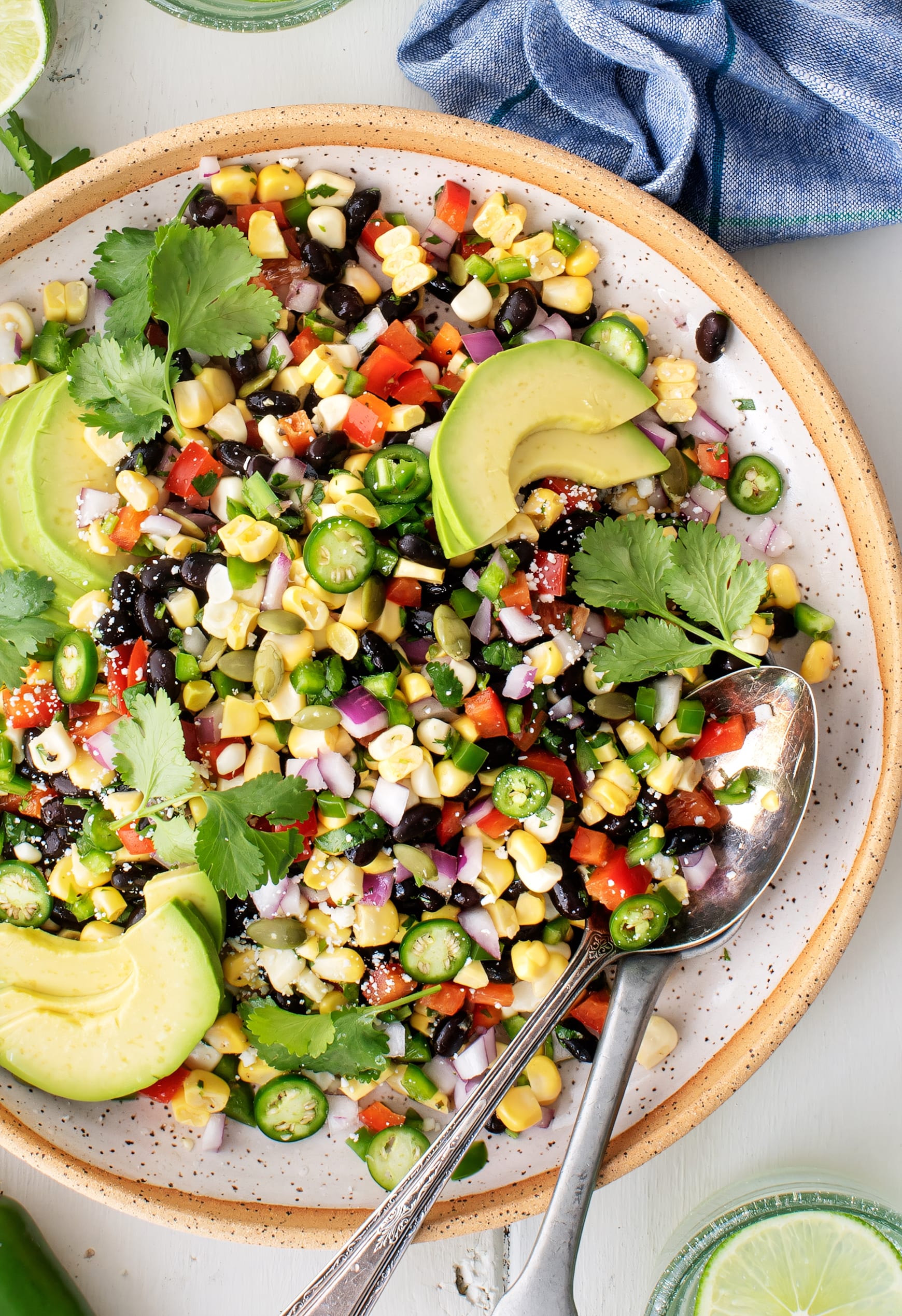
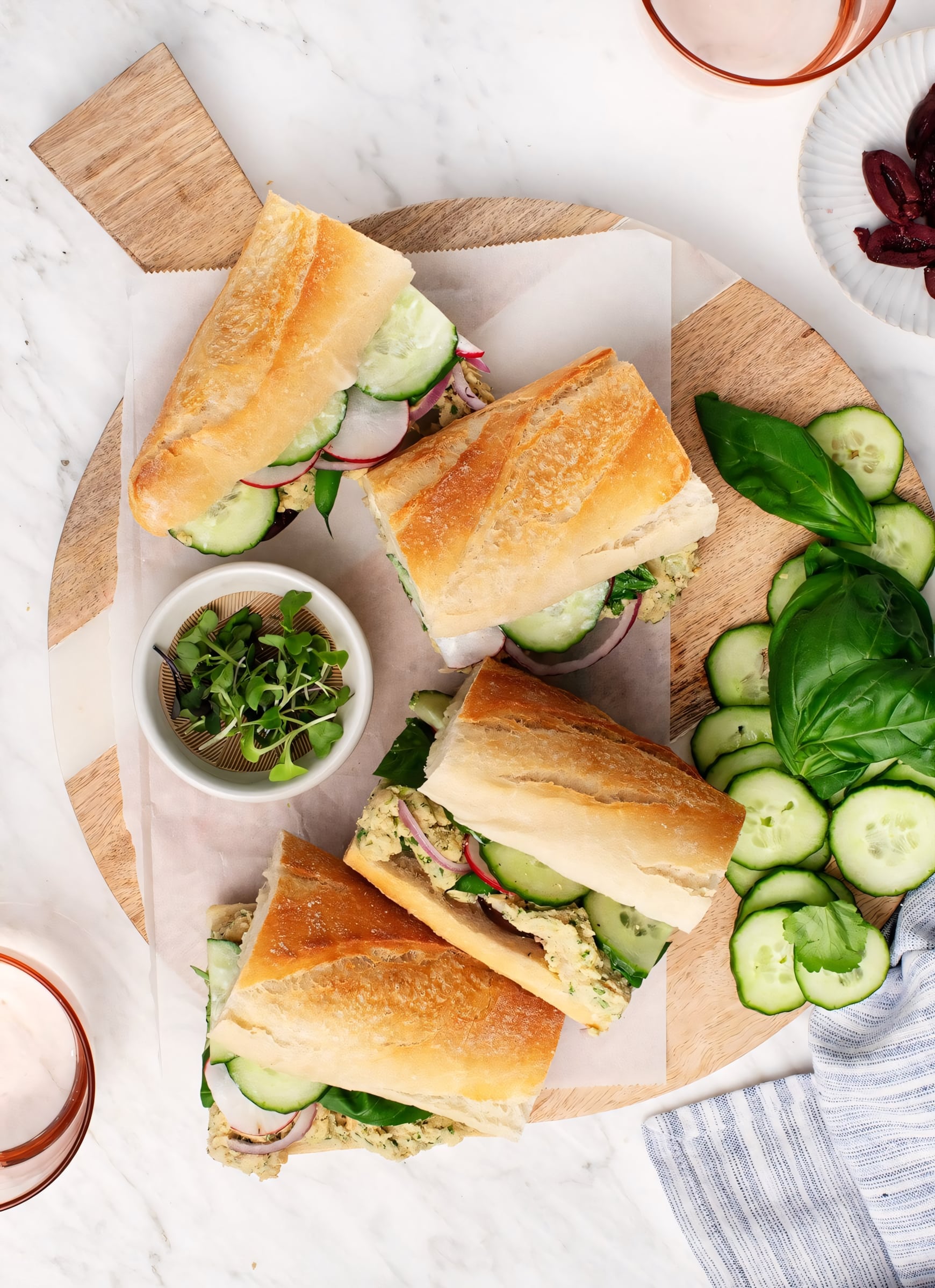
Useful starting points include Mediterranean Chickpea Salad, Chickpea Salad Sandwich, and Black Bean Soup. Each uses the ingredient in a different way, so its preparation method matters.
Check whether the recipe needs cooked beans
Read the ingredient list carefully. A quantity of cooked beans is not the same as an equal volume of dried beans. Dried beans require preparation and expand during cooking. They cannot simply replace cooked beans at the final mixing stage of a salad.
For dried beans, follow package instructions and an appropriate cooking method for that variety. Some varieties have specific preparation requirements. Do not rely on tasting an undercooked bean as a doneness test or assume that a short warm-up will make dried beans suitable to eat.
For a convenient meal, use cooked beans when the recipe specifies them. Check the package, drain or rinse as directed, and measure the amount after the preparation step when that is what the recipe requests.
Control the liquid before adding dressing
A salad dressing can become diluted if a large amount of unwanted liquid enters the bowl with the beans. Drain them well and let excess water drip away before combining them with other ingredients. There is no need to crush the beans to force them dry; aim to remove loose surface liquid.
A soup may handle liquid differently. Some recipes use it as part of the base, while others ask for drained beans and a measured amount of broth. Follow the recipe instead of automatically carrying a salad preparation habit into every dish.
Choose whole, lightly crushed, or blended
For a salad, keep most beans intact and fold the mixture gently. They should remain distinct from the vegetables rather than turning the dressing into a paste. A firm cooked bean works better for this job than one that is already breaking apart.
A sandwich filling needs a different balance. The chickpea sandwich recipe pulses its filling until combined but stops before it becomes a puree. That leaves texture while helping the mixture stay together on bread. Work in short pulses and check frequently if you are using a food processor.
For soup, blending a portion can change the thickness. Only do this when it suits the method, and follow the appliance's instructions for handling hot liquids. Changing texture also changes how the finished dish feels, even when the ingredient list stays the same.
Build flavor in the sauce or dressing
Seasoning works best when it is distributed, rather than concentrated in one spot. Whisk a dressing before adding the beans, or cook the soup's aromatics in the sequence given by its method. Taste the finished mixture before adjusting salt, especially when capers, cheese, broth, or other seasoned ingredients are involved.
The Mediterranean chickpea salad combines citrus, oil, garlic, and cumin with fresh vegetables. The sandwich filling uses tahini, mustard, and capers. These are two distinct approaches, not a requirement to add all those ingredients to every bean dish.
Add vegetables and finishing ingredients deliberately
Crunchy vegetables, herbs, and citrus can make a bean-based dish feel more varied. Choose ingredients that match the intended texture: finely chopped vegetables suit a filling, while larger pieces can stay distinct in a salad.
- For a salad, combine drained beans with vegetables and a fully mixed dressing.
- For a sandwich, use a filling that holds together without becoming smooth paste.
- For a soup, check thickness and seasoning after the ingredients have cooked together.
Use the recipe as a complete starting point
Read the whole method before making substitutions. Replacing chickpeas with a softer bean may change the mixing or pulsing step. Replacing tahini also changes both flavor and consistency, and ingredients such as sesame, dairy, and mustard may matter for food allergies.
Start with one of the linked recipes and make one considered change at a time. That makes it easier to understand whether the difference came from the bean variety, its moisture, the dressing, or the preparation method.