A useful meal plan starts with the week you actually have. A dinner that needs several pans and a long ingredient list might suit a quiet Sunday, but it can be awkward between work and an evening appointment. Before choosing recipes, look at your available cooking time, the equipment you want to use, and the ingredients already in your kitchen.
You do not need a separate recipe for every day. A few complete meals, an easy assembly option, and one flexible backup can give the week enough structure while leaving room for changing plans.
Check the kitchen before making a list
Look through the fridge, freezer, and pantry. Identify vegetables that need using, opened ingredients you can include in a meal, and staples such as pasta, rice, or canned beans. Check labels and the condition of food rather than assuming an ingredient is suitable just because it is already there.
Group what you find into possible meals. Pasta and a few vegetables suggest a skillet dinner. Cooked beans, corn, and a lime suggest a salad. This small inventory makes it easier to shop for the missing pieces instead of buying a second set of ingredients for an unrelated plan.
Choose meals with different levels of effort
Match each dinner to an evening. Read the full method as well as the stated preparation time: soaking, cooling, separate sauces, and component recipes can make a meal take longer than its final assembly suggests. A bowl that is quick to assemble may still require rice and several toppings to be made first.
- For a short evening, choose a recipe with one main cooking step and a modest amount of chopping.
- For a longer evening, choose a bake or a dish with several components.
- For an uncertain evening, keep an option based on convenient staples.
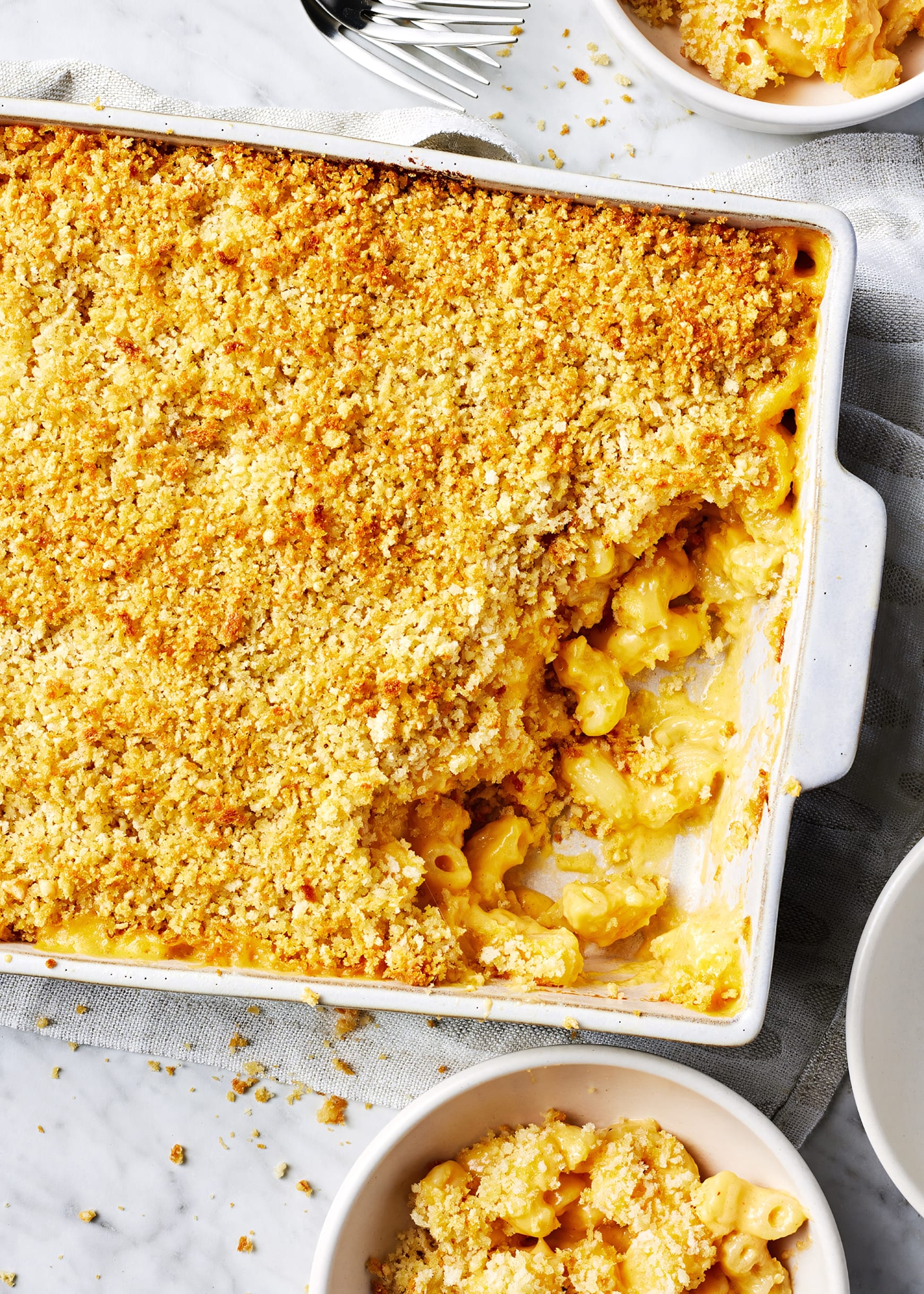
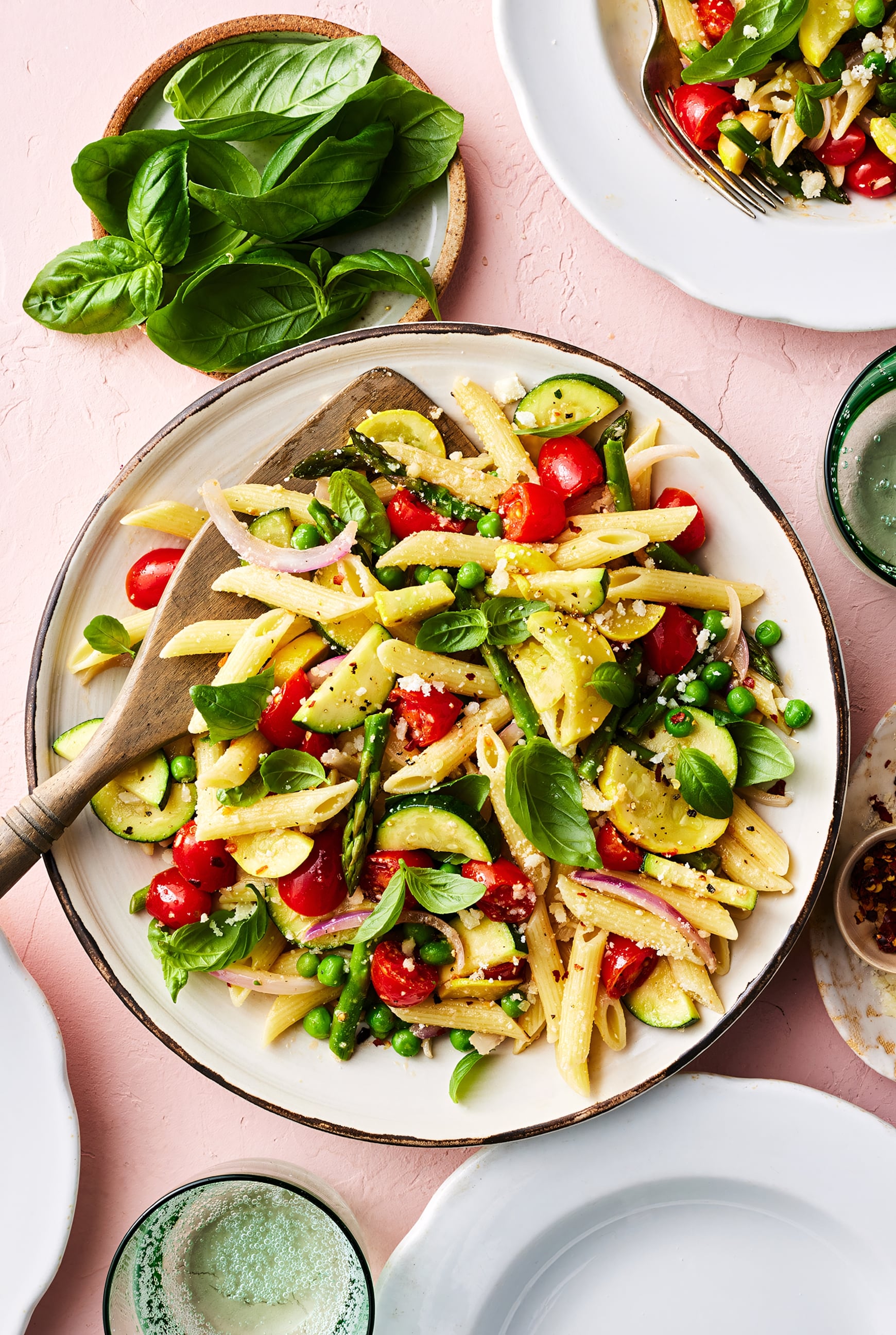
Pasta Primavera combines pasta with a quick vegetable saute. Easy Baked Ziti involves boiling pasta, preparing a filling, and baking, so give it a different place in the schedule.
Reuse ingredients through different dishes
Ingredient overlap is more useful than repeating an entire meal. A bunch of herbs can finish a pasta dish and brighten a bean salad. A bell pepper can be divided between a cooked dish and a crunchy salad. Select recipes that use compatible ingredients, but keep their sauces and textures distinct.
Write the amount needed for each recipe before shopping. Two dishes that both use tomatoes do not necessarily need the same type or quantity. Preserve the original recipe amounts when combining the list, and keep optional toppings separate so they do not become accidental essentials.
Prepare the parts that make a real difference
Advance preparation is useful when it removes a difficult step from a busy evening. Measuring a spice mixture, checking equipment, or washing suitable vegetables can help without requiring a whole afternoon of cooking. Follow recipe and package storage instructions for anything prepared ahead.
Keep delicate or wet components separate until the recipe calls for them. Herbs, crunchy toppings, and dressings often work better when added during final assembly. If a recipe does not provide storage or reheating guidance, do not assume it can be held for the entire week.
Make the shopping list specific
Organize the list by produce, pantry items, chilled ingredients, and frozen items. Include quantities and note what you already have. This helps distinguish a tablespoon of a condiment from a full container that needs purchasing.
Keep a short substitution plan, but check the recipe's method before replacing an ingredient. Canned beans and dried beans need very different preparation. A different vegetable may need a different cooking time. Treat substitutions as decisions about both flavor and method.
Leave one flexible meal in the plan
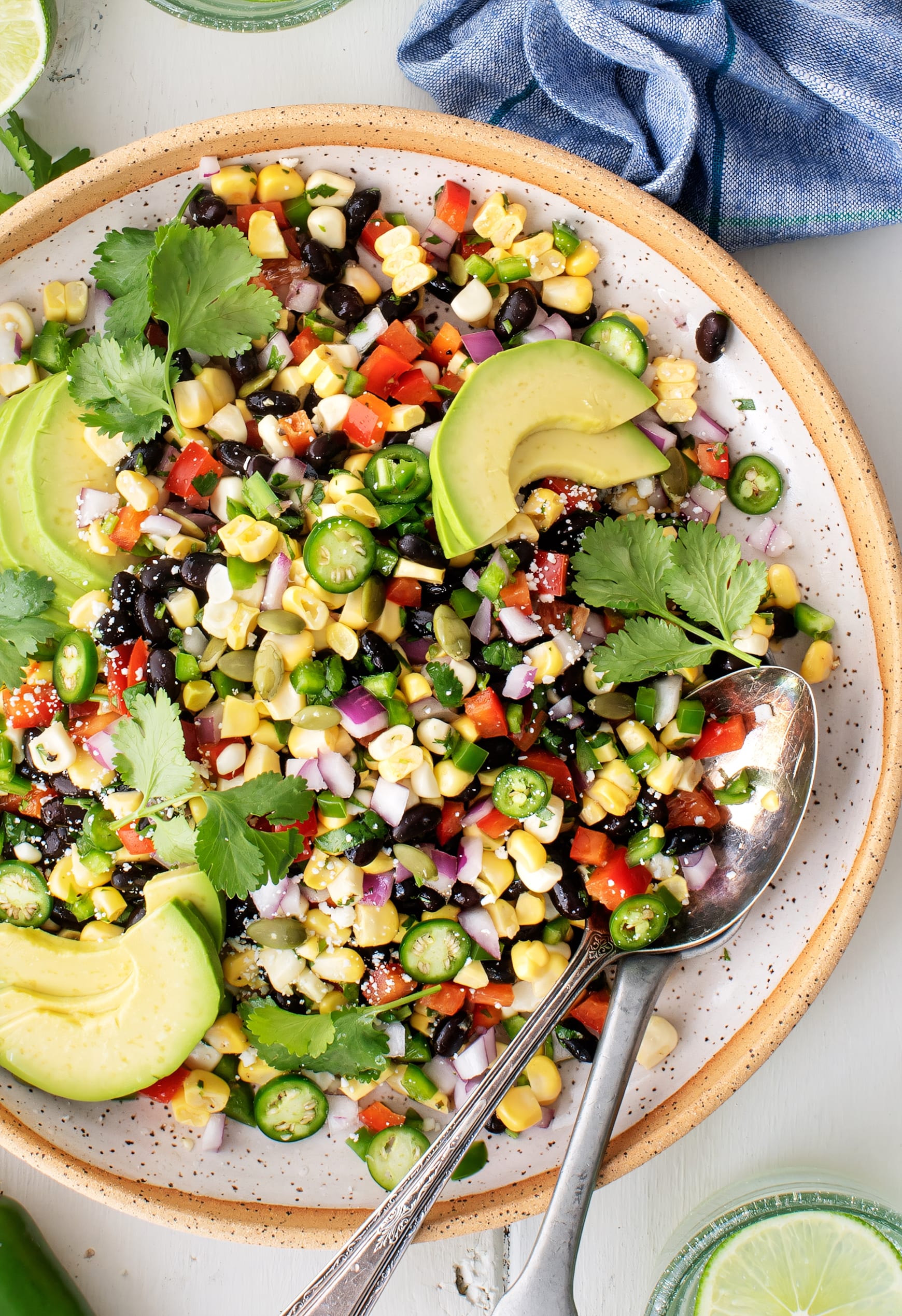
Keep one dinner that can respond to the remaining ingredients. Black Bean and Corn Salad is a useful example of assembling a dish from cooked beans, vegetables, and a dressing. Use its actual quantities as a starting point rather than treating the pantry as an unlimited ingredient list.
At the end of the week, note which meals fit your schedule and which ingredients were difficult to use. Adjust the next plan around those observations. A repeatable routine is more useful than a detailed menu that consistently asks for more time than you have.